

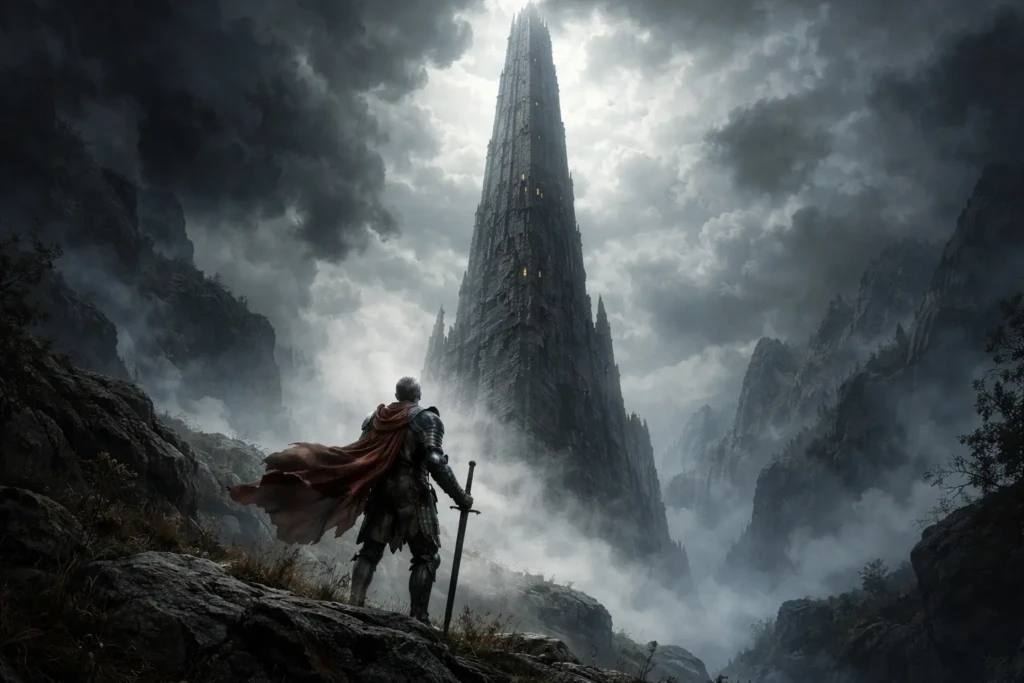
Difficulty Creates Meaningful Tension
Difficulty adds weight to every moment in a game. Easy games resolve problems quickly. Difficult games delay resolution. As a result, tension builds naturally.
When viewers watch a challenging game, they sense risk. Failure feels possible. Success feels uncertain. Therefore, attention increases. The stream feels alive instead of predictable.
Moreover, difficulty slows progress. Slower progress creates anticipation. Anticipation strengthens emotional engagement.
Struggle Builds Emotional Investment
Hard games force players to struggle. Mistakes carry consequences. Progress requires learning.
Because of this, viewers invest emotionally. They watch patterns emerge. They notice improvement over time. Therefore, each attempt matters.
In contrast, effortless gameplay removes stakes. Without stakes, interest fades. Difficulty restores importance to every action.
Failure Becomes Part of the Story
Difficult games include frequent failure. Death resets progress. Loss tests patience.
However, failure also creates narrative. Each defeat adds context. Each retry adds tension. As a result, viewers follow a story of persistence.
Moreover, repeated attempts humanize the streamer. Viewers relate to frustration. Viewers celebrate resilience. This shared emotion builds connection.
Victory Feels Earned and Shared
Eventually, success arrives. Bosses fall. Obstacles collapse.
Because difficulty delayed victory, the payoff feels intense. Viewers celebrate with the streamer. Chat reacts instantly. Therefore, triumph becomes collective.
Easy wins feel empty. Hard-earned victories feel meaningful. This contrast explains why difficult games perform better on stream.
Focus Replaces Distraction
Hard games demand attention. Players cannot autopilot. Timing matters. Positioning matters.
As a result, streams gain intensity. Viewers focus more closely. Side conversations slow. Engagement deepens.
Moreover, difficulty reduces background noise. Every moment carries risk. Therefore, viewers remain present.
Learning Creates Satisfaction
Difficulty in Games reward learning. Patterns repeat. Mechanics reveal themselves.
Viewers notice improvement. They witness growth. Therefore, satisfaction builds gradually.
This process mirrors real learning. Progress feels authentic. Watching mastery develop feels rewarding.
Emotional Control Enhances the Experience
Hard games punish emotional reactions. Anger causes mistakes. Panic causes failure.
Streamers who stay calm perform better. Viewers notice this control. As a result, the stream feels grounded.
Moreover, calm responses influence chat tone. Emotional regulation spreads. Therefore, the environment feels focused instead of chaotic.
Community Grows Around Challenge
Difficulty invites discussion. Viewers offer advice. Viewers analyze mistakes.
This interaction feels purposeful. Everyone contributes. Therefore, community engagement strengthens.
Hard games create shared problem-solving. Shared effort builds stronger bonds.
Difficulty Rewards Long-Form Viewing
Challenging games require time. Bosses resist quick solutions. Progress spans sessions.
Because of this, viewers return. They want resolution. They want closure. Therefore, retention improves.
Each stream continues a narrative. Difficulty ensures that narrative lasts.
Examples That Prove the Pattern of Difficulty in Games
Games like Dark Souls established this dynamic. Difficulty shaped identity. Viewers learned patience through observation.
Later, Elden Ring expanded the formula. Freedom balanced challenge. Viewers followed diverse journeys.
Both titles show the same truth. Difficulty enhances watchability.
Difficulty Filters the Audience
Hard games attract committed viewers. Casual viewers leave early.
As a result, community quality improves. Conversations gain depth. Engagement feels intentional.
Smaller audiences become stronger audiences. Difficulty enables this shift.
Why This Matters for Streaming Culture
Streaming thrives on emotion. Difficulty amplifies emotion.
It creates tension. This also delays reward. It strengthens payoff. Therefore, difficult games outperform easy ones in long-form viewing.
For communities like Pop’s Lounge, challenge supports growth. Difficulty builds stories. Stories build loyalty.
Final Thoughts on Difficulty in Games
Difficulty makes watching streams more rewarding because it restores meaning. Struggle creates tension. Failure builds narrative. Victory feels earned.
In a landscape full of instant gratification, difficulty slows the experience. That slowness creates depth. Depth creates connection. Connection sustains communities.